
Your internet connection should help the workday move, not become the reason it stalls. The right business internet solution gives your team stable access for calls, cloud tools, payments, file sharing, customer support, and daily operations. If you are comparing commercial internet services, start with reliability, speed, support, scalability, and the way the plan fits how your business actually works.
What makes internet good enough for a business?
Good internet for business is fast, steady, secure, and matched to the way your team uses online tools every day. It should support the number of users, devices, locations, and applications you rely on without constant slowdowns, dropped video calls, or payment interruptions. A reliable internet service is not only about top advertised speed; it is about consistent performance when your business is busy, your customers are waiting, and your team needs to stay productive.
For a small office, that may mean smooth cloud software access, dependable video meetings, and enough upload speed to send large files without delays. For a retail location, it may mean point-of-sale systems, guest Wi-Fi, inventory tools, security cameras, and staff devices all staying connected at the same time. For a growing company, it may mean business broadband plans that can scale as more employees, apps, and connected devices are added.

Internet that keeps daily work moving
A strong connection supports more than browsing. It touches nearly every part of modern operations, from your first customer message in the morning to your final payment, upload, order, or report at the end of the day. When your internet is unreliable, the cost is not limited to inconvenience. It can mean missed calls, frustrated customers, delayed orders, broken workflows, and employees losing focus while they wait for systems to respond.
That is why business internet solutions should be chosen differently from casual home internet. A business connection needs to handle repeated, often simultaneous demands. Your team may be joining video meetings while cloud backups run in the background, payment terminals process transactions, staff use shared files, and customers connect to guest Wi-Fi. High-speed internet is valuable because it reduces friction across these activities, but reliability is what keeps them predictable.
A good plan should support the work you do now and leave room for the tools you may add next. If you expect to adopt more cloud platforms, expand remote collaboration, add connected devices, or serve more customers in person, your internet should not be the bottleneck. Choosing thoughtfully now can help you avoid having to replace your setup every time your business grows.
Built for the way your business actually uses bandwidth
Different businesses need different types of capacity. A professional services firm may care most about video conferencing, cloud document access, and secure file transfers. A café or retail store may need separate staff and guest Wi-Fi, stable payments, and enough capacity for music streaming, cameras, and inventory systems. A design studio, medical office, warehouse, or multi-location team may have still different needs.
The best internet providers for your business are the ones that can match the plan to those daily patterns instead of offering a one-size-fits-all package. Before you choose, think through when the connection feels most strained. Is it during morning meetings, afternoon customer traffic, large uploads, software updates, online ordering peaks, or end-of-day reporting? Those real moments reveal what your service needs to support.
A practical business internet review should consider:
Number of users: Count employees, contractors, visitors, and anyone else connecting during busy periods.
Number of devices: Include laptops, phones, tablets, point-of-sale systems, printers, cameras, smart TVs, and connected equipment.
Critical applications: Identify tools that cannot afford interruptions, such as payment processing, booking systems, customer support platforms, cloud software, and VoIP calling.
Upload needs: If your team sends files, hosts calls, backs up data, or works in cloud platforms, upload speed matters as much as download speed.
Peak usage times: Choose for your busiest realistic hour, not the quietest part of the day.
Guest access: If customers or visitors use Wi-Fi, plan for a separate network so business tools are not competing with public browsing.
Growth plans: Consider whether you may add staff, locations, connected devices, or new software in the near future.
This simple review helps turn a vague search for good internet for business into a clear buying decision. Instead of guessing, you can match your plan to the work that must happen every day.
Reliable internet service supports customer trust
Customers rarely think about your internet connection unless it fails. When it does, they notice quickly. A frozen booking screen, slow checkout, interrupted service call, delayed estimate, or unavailable online ordering system can make the business look disorganized even when the team is doing its best.
Reliable internet service helps protect the customer experience behind the scenes. It supports faster responses, smoother transactions, better communication, and fewer awkward pauses while systems load. For businesses that depend on appointments, orders, support tickets, online forms, or live communication, the connection becomes part of the service itself.
Consider a busy front desk that uses cloud scheduling, VoIP phones, card payments, and email throughout the day. If the connection drops, the team may have to ask customers to wait, call back, or repeat information later. With a stronger business internet setup, those everyday interactions feel cleaner and more professional. Staff can focus on helping people instead of explaining technical problems.
Business broadband plans designed for productivity
Business broadband plans should give your team the speed and consistency needed to work without constant resets, workarounds, or waiting. The right plan can make video meetings clearer, cloud systems more responsive, file sharing smoother, and collaboration less frustrating. It can also support multiple departments working online at the same time, which is increasingly normal even for small businesses.
When comparing plans, look beyond the headline speed. Ask how the connection performs during peak usage, what support options are available, how quickly service issues are handled, and whether the plan can change as your needs change. A plan that looks inexpensive may be the wrong fit if it slows down whenever your team is busiest.
A stronger business broadband plan can help with:
Video meetings: Reduce freezing, audio lag, and dropped calls during client or internal conversations.
Cloud software: Keep everyday tools responsive for accounting, scheduling, CRM, design, operations, and collaboration.
Payment systems: Support smooth point-of-sale and online transaction workflows.
VoIP phones: Improve call clarity and reduce interruptions for customer-facing teams.
Large file transfers: Make uploads and downloads less disruptive to the rest of the office.
Remote and hybrid work: Help employees connect securely to systems, meetings, and shared resources.
Connected devices: Support cameras, printers, tablets, displays, kiosks, and other equipment without overloading the network.
The goal is not simply to buy the fastest plan available. The goal is to choose high-speed internet that fits your operations, removes friction, and gives your team confidence that the tools they need will be available when work is happening.
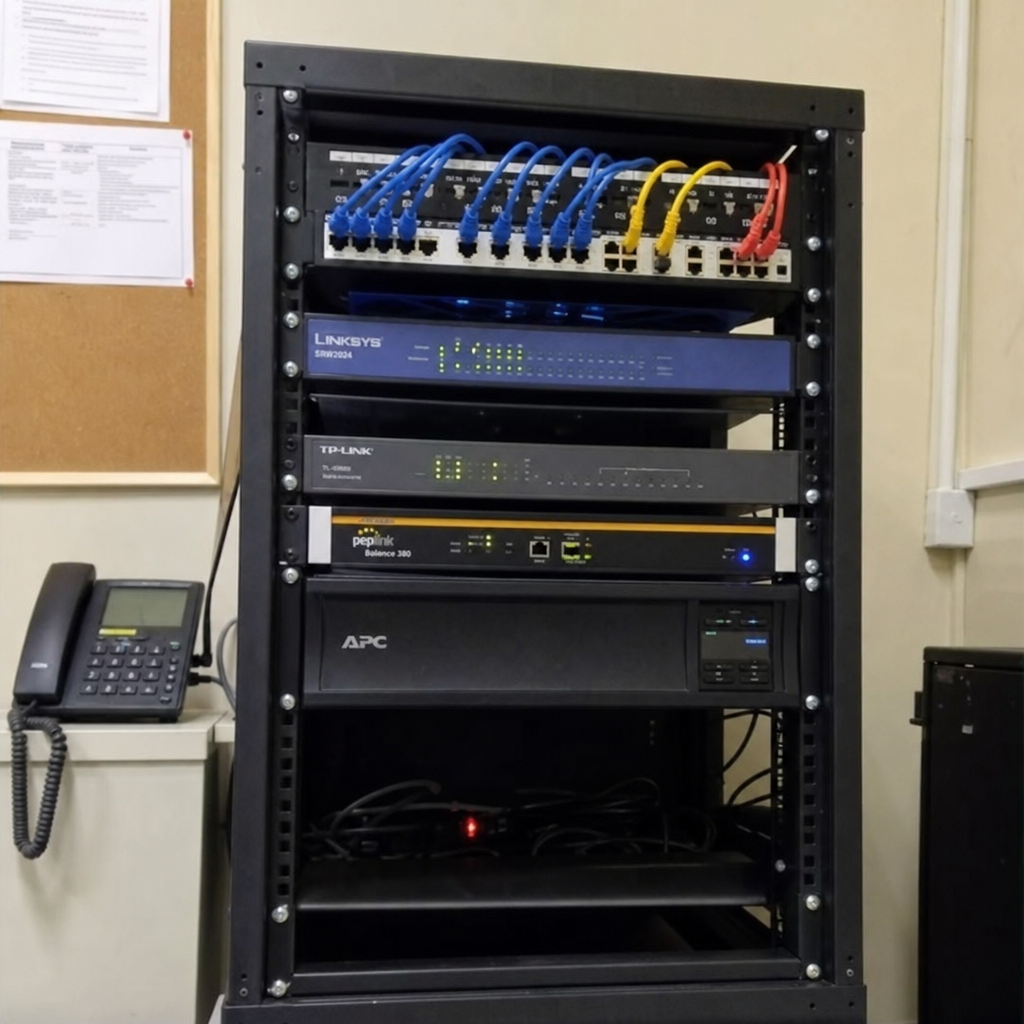
A smarter way to compare commercial internet services
Commercial internet services can look similar at first glance. Many plans mention speed, uptime, support, and pricing, but the right choice depends on what those details mean for your business. A useful comparison starts with operational impact: what happens if the internet slows down, drops, or cannot keep up during a critical moment?
If a short outage would only be a minor inconvenience, your needs may be relatively simple. If an outage would stop sales, interrupt customer service, delay shipments, or block employees from doing their work, reliability and support become more important. This is where business internet solutions differ from basic connectivity. They should be evaluated as part of your operating infrastructure.
Use this decision checklist when comparing providers and plans:
Define the non-negotiables. List the tools and workflows that must stay online, such as payments, phones, scheduling, ordering, or cloud systems.
Estimate busy-period demand. Count how many users and devices are online when your business is active, not when the office is quiet.
Separate download and upload needs. Download speed helps with browsing and streaming content, while upload speed affects calls, file sharing, backups, and cloud collaboration.
Ask about support. Look for clear help channels, service response expectations, and business-focused assistance when problems occur.
Plan for network setup. Confirm whether your routers, Wi-Fi coverage, and device placement can support the plan you choose.
Review flexibility. Make sure the service can adapt if your team grows, your software stack changes, or your location adds more connected equipment.
Consider backup options. If staying online is critical, ask about redundancy or backup connectivity rather than relying on a single point of failure.
This process keeps the decision grounded. Instead of choosing only by price or advertised speed, you evaluate which option best protects productivity and customer experience.
High-speed internet that grows with your team
Your internet needs may be manageable today and more complex six months from now. A growing business often adds new users, new software, new devices, and new customer touchpoints. Each change can increase network demand, especially when more work moves into cloud platforms.
Scalable business internet solutions make that growth easier to handle. They give you room to add employees, improve collaboration, expand guest Wi-Fi, or support new equipment without rebuilding everything from the ground up. This matters for businesses opening additional workstations, adding service rooms, increasing customer seating, launching online ordering, adopting VoIP, or connecting more operational systems.
A before-and-after example makes the value clear. Before upgrading, a team may notice that video calls fail when large files upload, payments slow down during rush periods, and staff avoid using cloud tools because they feel sluggish. After choosing a more appropriate business plan and improving Wi-Fi coverage, those same tasks can happen together with fewer interruptions. The business does not feel more digital because it bought a bigger number; it feels better because people can work without fighting the connection.
A better connection starts with a clear assessment
The easiest way to choose good internet for business is to start with how your organization works, not with a random plan tier. A clear assessment helps identify the speed, reliability, coverage, and support you need. It also helps avoid overbuying features you will not use or underbuying a connection your team will quickly outgrow.
Before comparing providers, record your current setup and run speed tests during both quiet and busy periods. Note download and upload speeds, latency, connected devices, and interruptions to essential applications. This gives you evidence for deciding whether the plan, Wi-Fi coverage, or equipment needs attention.
Prepare these details:
Your business type and location setup: Office, shop, clinic, studio, warehouse, restaurant, remote team, or multi-location operation.
Current pain points: Slow Wi-Fi, dropped calls, buffering, payment issues, poor coverage, inconsistent speeds, or frequent outages.
Core online tools: Cloud software, payment systems, phones, booking platforms, security cameras, collaboration apps, or inventory tools.
Approximate user count: Employees, managers, contractors, customers, and visitors who connect during peak times.
Device count: Workstations, mobile devices, printers, tablets, cameras, displays, and other connected equipment.
Growth expectations: Upcoming hiring, expanded hours, new locations, more customer traffic, or new digital services.
Critical hours: The times of day when downtime or slow service would hurt the most.
With that information, it becomes much easier to compare business broadband plans and avoid vague recommendations. The conversation shifts from “What speed do you offer?” to “What connection will support this business reliably?”
The right provider removes uncertainty
Choosing among the best internet providers is not just about finding a recognizable name. It is about finding a provider that understands business needs, explains options clearly, and helps you choose a plan that fits the way you operate. Good guidance can prevent you from paying for the wrong type of service or settling for a plan that leaves your team frustrated.
A business-focused provider should make the decision easier by translating technical terms into practical outcomes. Instead of leaving you to guess, they should help you understand whether your team needs more bandwidth, better upload performance, stronger Wi-Fi equipment, improved coverage, backup connectivity, or a plan built for heavier use. They should also be clear about installation, service expectations, and what happens if support is needed.
Look for provider conversations that include:
Plain-language recommendations based on your team size, tools, and daily workload.
Transparent plan options that explain what each tier is meant to support.
Business-aware support for issues that affect payments, phones, cloud access, or customer-facing systems.
Scalability so your plan can adjust when your operations change.
Network setup guidance that considers Wi-Fi coverage, router placement, and device load.
Security-minded advice such as separating staff and guest networks where appropriate.
The right provider does not simply sell a connection. It helps you reduce risk, support employees, and give customers a smoother experience.
Turn connectivity into a competitive advantage
Reliable connectivity may not be the flashiest part of a business, but it can become a quiet advantage. When your systems work, your team moves faster. When calls are clear, customers feel heard. When files upload without blocking everyone else, projects keep momentum. When payments process smoothly, the buying experience feels professional.
High-speed internet also gives businesses the confidence to use better tools. Teams can adopt cloud collaboration, online booking, digital customer support, connected operations, and remote work processes more comfortably when the connection can keep up. That flexibility matters because the way customers interact with businesses continues to become more digital, even in industries built around in-person service.
Strong commercial internet services help create a better internal rhythm. Employees spend less time troubleshooting, switching hotspots, restarting routers, or apologizing for delays. Leaders get fewer interruptions about slow systems. Customers receive a more consistent experience across calls, checkouts, meetings, orders, and support.
Get connected with the right business internet solution
If your current connection feels unpredictable, slow during busy periods, or no longer suited to the tools your team depends on, it may be time to review your options. A better plan can support everyday productivity, protect customer-facing systems, and make room for future growth. The right choice starts with understanding your workload and matching it to a reliable internet service built for business use.
Start with a [GrandSpeed speed test](/), then compare available business broadband plans against your measured performance and busiest workload. Check upload capacity, support response times, backup options, and contract terms before changing providers. GrandSpeed provides testing and educational guidance; it does not sell broadband plans or arrange business internet assessments.